Issues
-
Affordable Accessible Healthcare
Healthcare in rural Wisconsin has suffered significant setbacks, with no clear end in sight. In 2024, uncovered healthcare costs in Wisconsin were up 30%. That is $1.77 billion dollars. This means an additional $1200 in costs for every family of four.
As a result, hospitals and clinics are closing and some services are unavailable. This includes cancer care, birthing centers, trauma care and primary care.
Smart spending of Wisconsin budget surplus for workforce development, mental healthcare, and system modernization would have a valuable impact in reversing the damage to our healthcare systems.
Medicare is being targeted by our federal government. We need a Wisconsin Medicare Advisory Counsel to advocate for the needs of Medicare recipients and design state level solutions to faltering Medicare coverage.
-
Funding for rural roads and bridges
Agriculture brings $116 billion dollars and 350,000 jobs annually to Wisconsin. And yet, our rural roads are crumbling.
The current 29th district State Senator and Chair of Transportation wants to have “serious conversations” about tolling and a gas tax hike. Both are regressive taxes, disproportionately affecting working families.
Wisconsin rural communities and working families do not need tax increases. They need tax relief.
-
Fully fund Wisconsin’s public schools
To ensure excellent public education for all students of all needs across the state, public education must be fully funded.
Our educators are heroes. Yet they are being asked to do more with less— less funding, larger class sizes, and fewer protections. Educators from pre-K through our universities deserve a seat at the table when education policy is written.
The current state of weak public education funding threatens our children’s futures and our economy.
The property tax burden on communities from referenda is unsustainable, unreliable and often ineffective.
We know that investing in public education from pre-K to college pays off with crime reduction, reduced public assistance reliance, better health outcomes, and economic growth.
-
Housing for Every Budget
We need fairly priced housing options that allow folks to live near their jobs, families and amenities.
Housing policy should focus on the needs of a community over an investors’ financial portfolios.
Sufficient and fair priced housing attracts workers, boosts the local economy and creates jobs.
We can modernize the existing Wisconsin Homestead Credit for lower income renters and home owners and educate taxpayers to claim the credit. Currently, only 1/3 of eligible households claim this credit.
-
Immigration Solutions that work for Wisconsin
Across dairy farms, manufacturing, meatpacking, construction, and scientific and healthcare services, Wisconsin’s economy depends on the contributions of thousands of undocumented workers.
We need thoughtful immigration policy reform. Use of force tactics are disruptive to communities and businesses and offer nothing to meaningful immigration policy.
We need an Immigration Advocacy Committee to work for Wisconsin’s immigrant workers and the businesses and economy they support with a comprehensive collaborative plan for legal status.
-
Protecting Wisconsin’s Water Legacy
Clean water is vital to Wisconsin’s economy and health.
PFAS and nitrate contamination of our water threatens the well being of Wisconsin families and our thriving tourism economy.
We must prioritize efforts for long term, high-quality, safe water access in our homes and in our lakes, streams, and rivers.
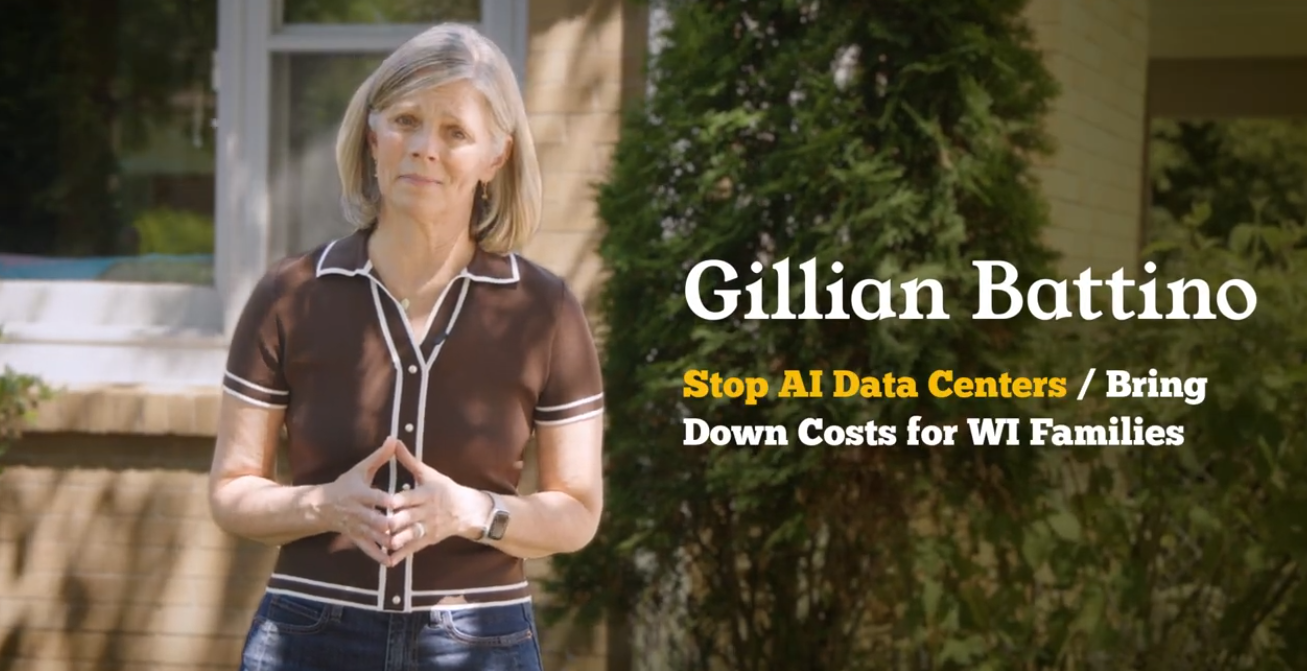
We must hold corporations accountable for environmental pollutants and we must be vigilant in protecting our environment from high water use industry such as data centers.
-
Supporting comprehensive reproductive healthcare helps Wisconsin families plan for their future and build strong communities.
I will support policy that expands access to contraception, prenatal care, reproductive health services, and post-partem healthcare coverage.
Reproductive healthcare decisions should be made by patients with their families, and healthcare providers.